Tariff Pulse
Hundreds of U.S. Ecommerce Business Voices in One Dashboard
Learn how tariffs are influencing pricing strategies, supply chain shifts, and cost pressure for 826 U.S. Ecommerce SMBs. Benchmark impact and support your customer base with targeted resources.
Get the Full Report
Small Businesses Have Taken Action
23.92%
Bought inventory
ahead of future tariff changes
17.22%
Raised prices
pushing the cost to consumers
16.58%
Absorbed costs
to keep retail prices steady
Get the Full Report
How Does This Impact Your Merchant Customers? They're Committing to Growth but Raising Prices
Small businesses invest in the future while inflation looms
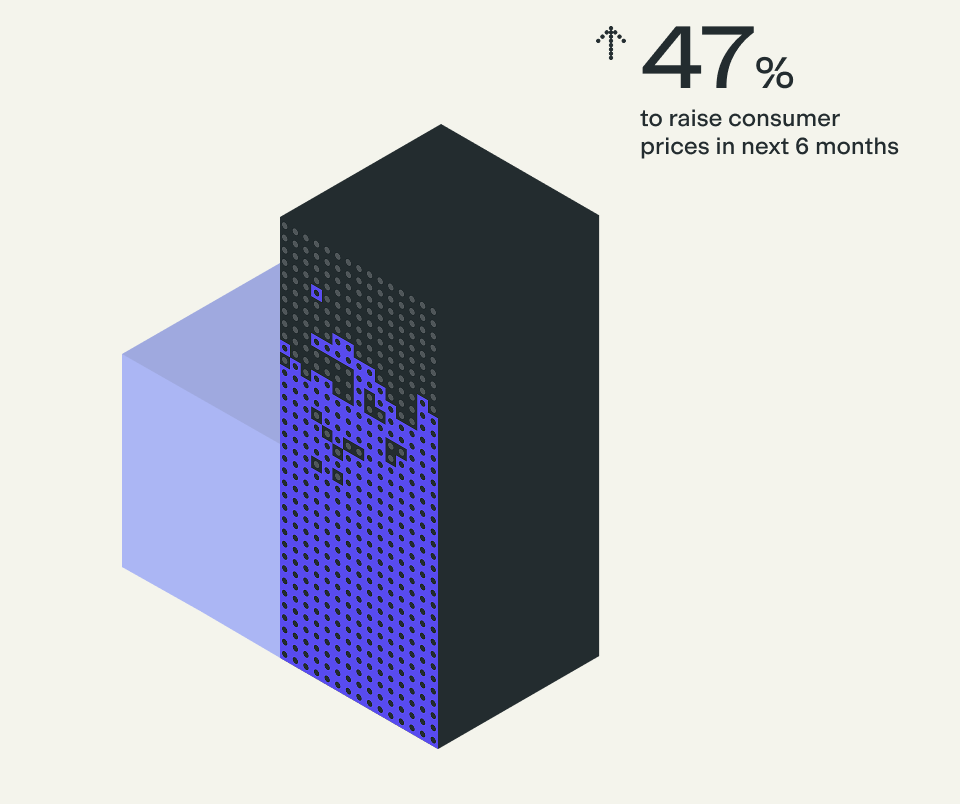
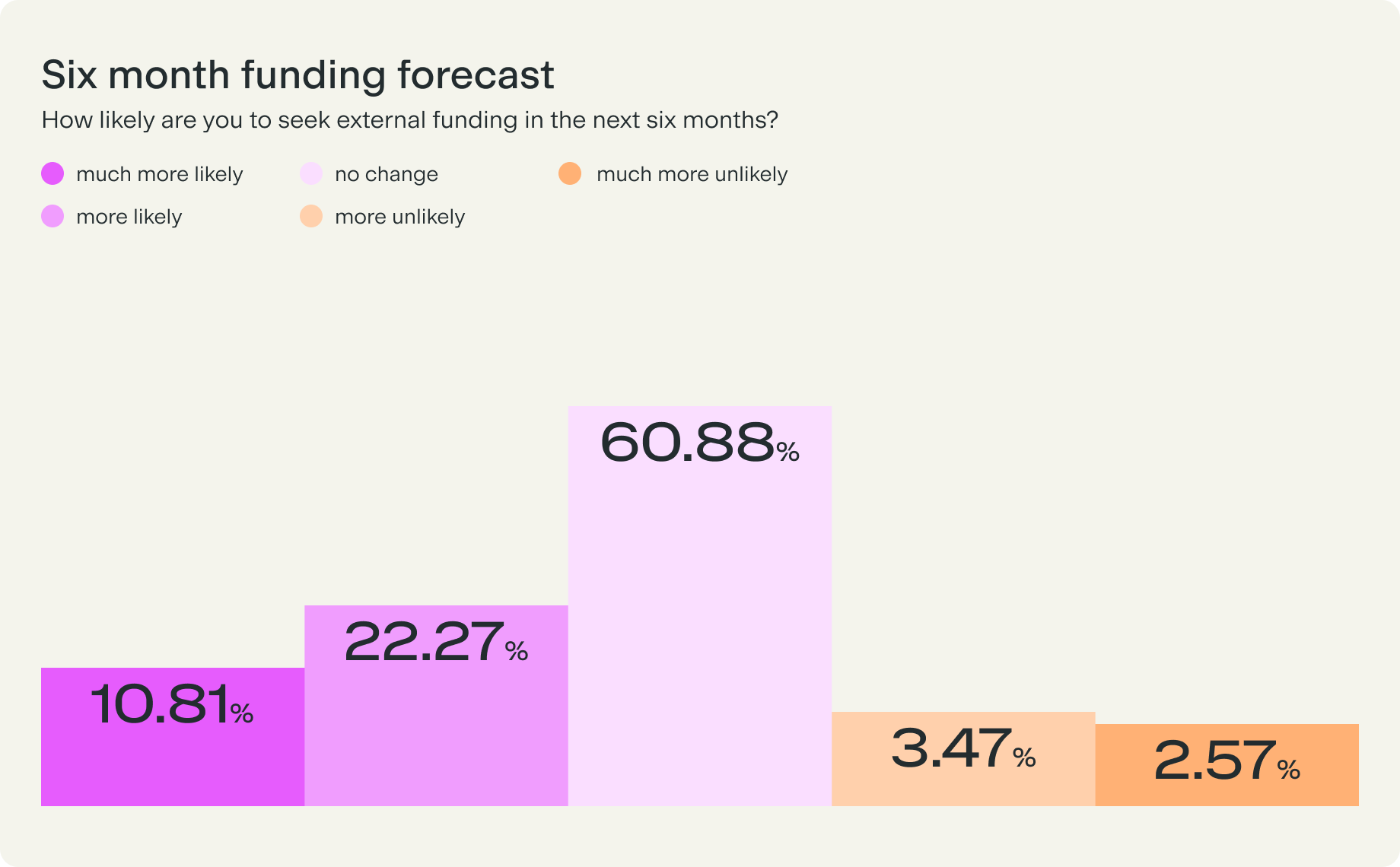
Some U.S. SMBs are seeking external funding to stock up on inventory and buffer against tariff-related cost hikes. With inflation on the horizon, nearly half plan modest price increases to protect margins against tariffs, though the majority report no change.
32%
Expect tariff pressures
to worsen
49%
Expect to absorb the impact of tariffs
without raising costs, indefinitely
Key Insights
Small businesses are increasingly turning to external funding with 33% more likely to seek capital in the next six months. Meanwhile, 49% are choosing to absorb rising costs without passing them on. This indicates the majority remain steady, leveraging targeted financing and disciplined pricing to navigate potential economic uncertainty.
33%
More likely to seek external funding
when they source from China
42%
Have seasonal income with highs
and lows recurring yearly
Key Insights
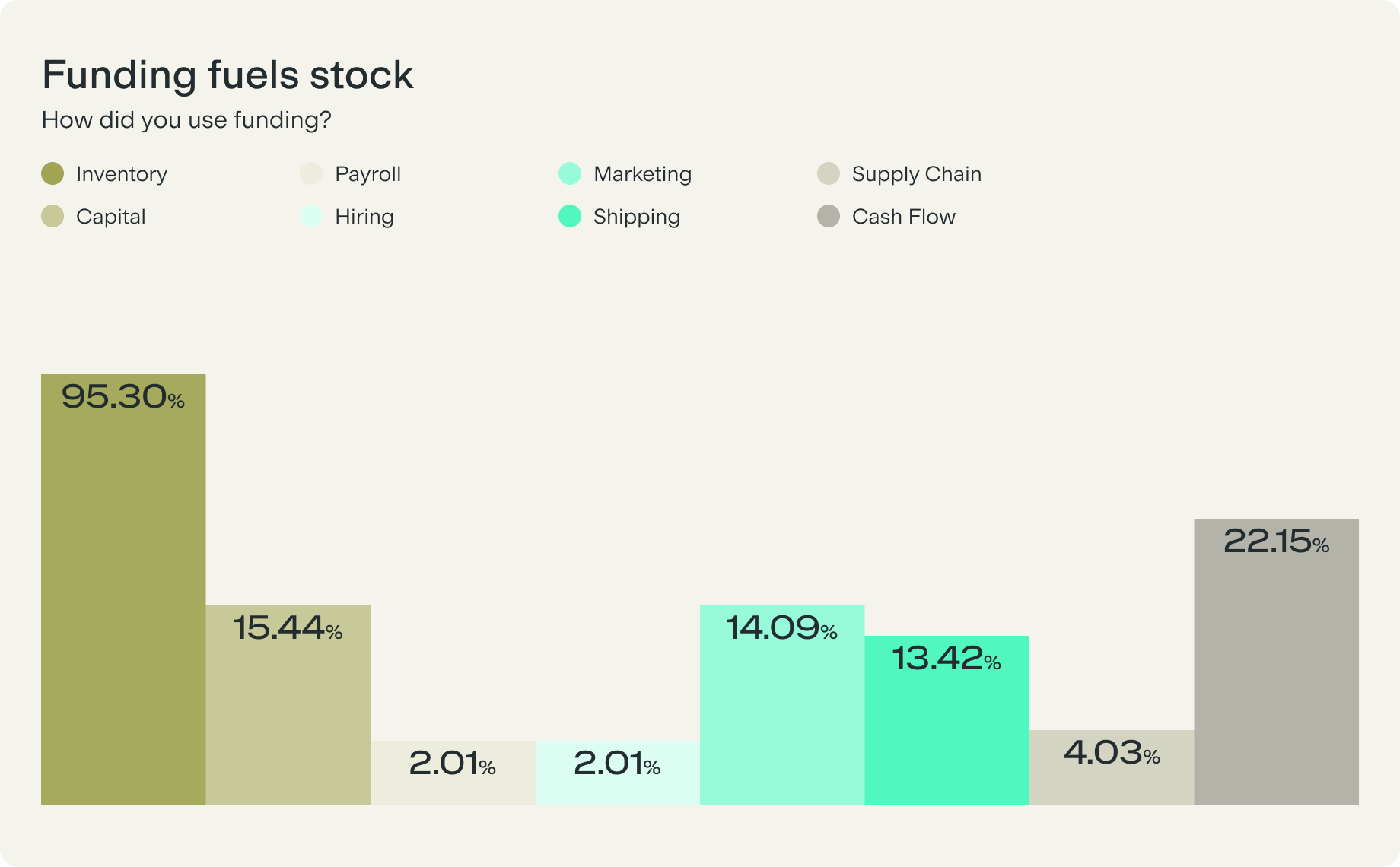
95% of small businesses using funding dedicate it to inventory. 22% deploy capital to manage cash-flow gaps, while minimal amounts go to payroll or hiring. Businesses sourcing from China, are trying to buffer tariff impact and 42% rely on seasonal income cycles, underscoring the need for flexible financing to adapt to fluctuating demand.
42%
State that tariffs have not
negatively impacted their business
2.6%
U.S. inflation as of June 2025
Key Insights
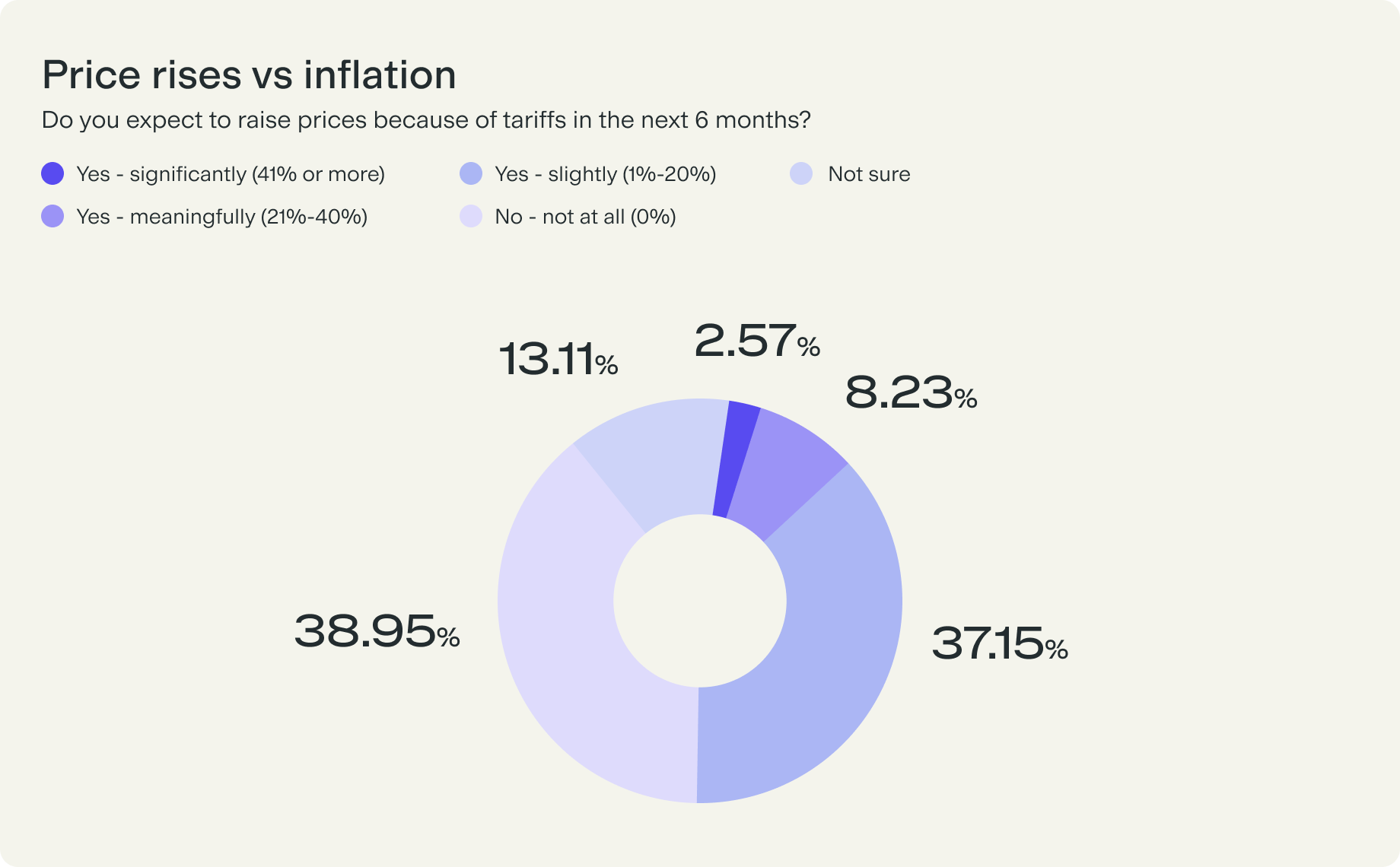
Small businesses are cautiously managing pricing amid inflation and tariffs: about 2.6% plan steep price hikes (≥41%), 8.2% moderate ones (21–40%), 37.2% slight increases (1–20%), while 38.9% expect no change. With 2.6% U.S. inflation as of June 2025, nearly 42% say tariffs haven’t affected their business, revealing a balanced, measured pricing strategy.
Get the Full Report
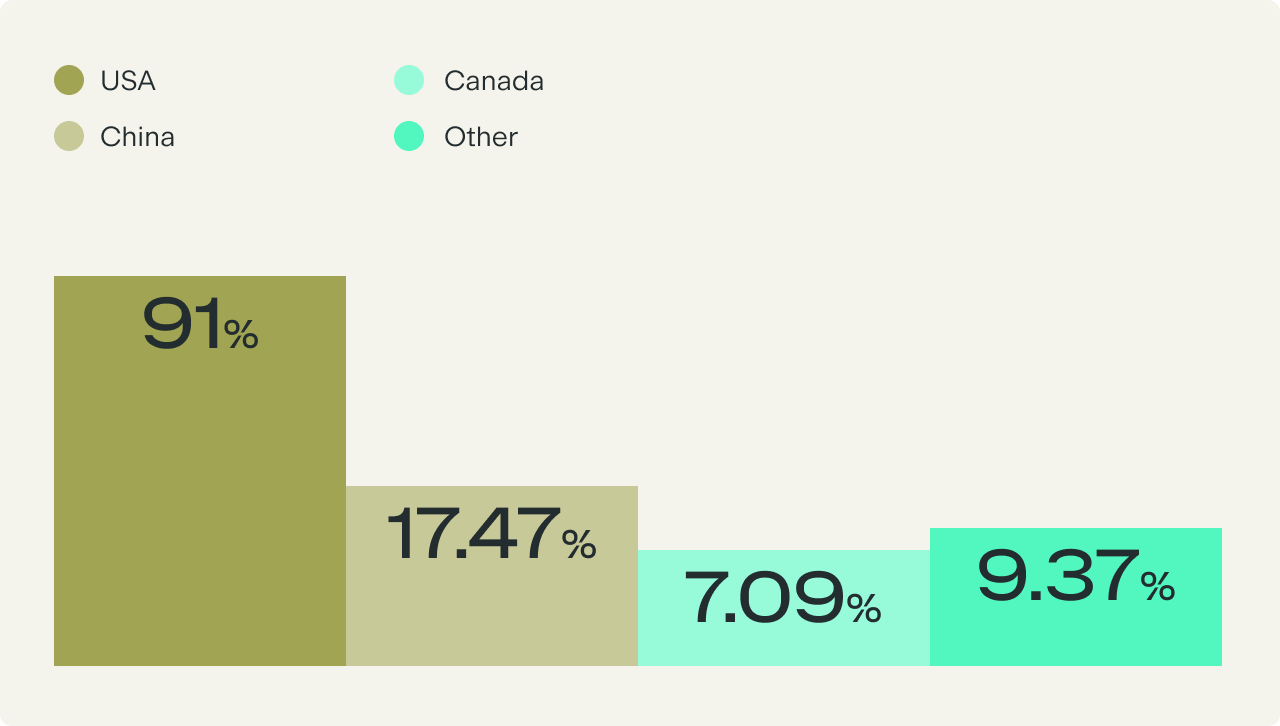
The U.S. wins the inventory race
Most U.S. small businesses prefer sourcing inventory domestically, fewer rely on overseas suppliers. However, 16.9% maintain a multi‑region sourcing strategy, drawing from two or more countries to hedge against trade disruption.
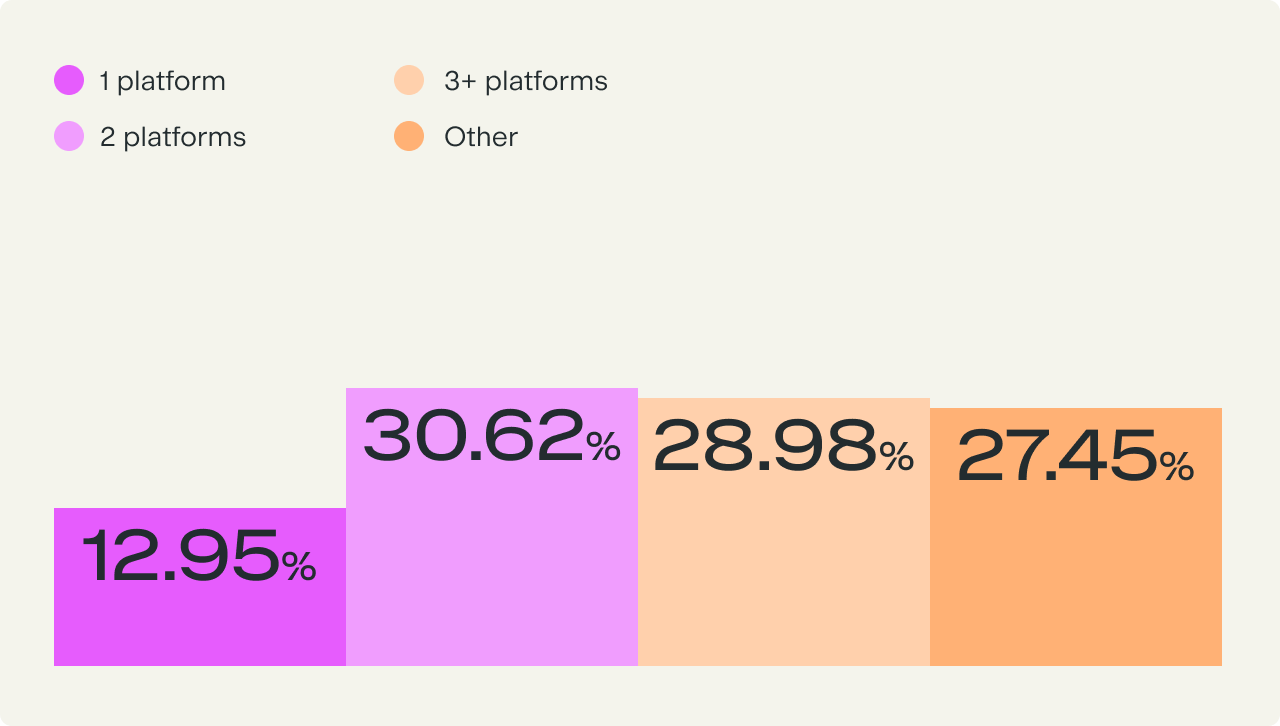
SMBs are diversifying reach
Small businesses are reaching wider audiences through multichannel selling. They are utilizing multiple marketplaces to market and distribute their products, making it harder for ecommerce platforms to increase lifetime value and seller engagement.
Get the Full Report
Small Businesses Stay Resilient Amid Operational Ripples
Small businesses are showing cautious optimism: most remain unaffected by tariffs but a significant share is contending with tangible cost pressures.
73%
of small businesses reported tariffs had no negative impact so far
25%
report a reduced customer demand
due to tariffs
21%
report higher delivery costs due to tariffs
18%
report higher landed costs of goods
due to tariffs
Get the Full Report
Survey Demographics
About This Research
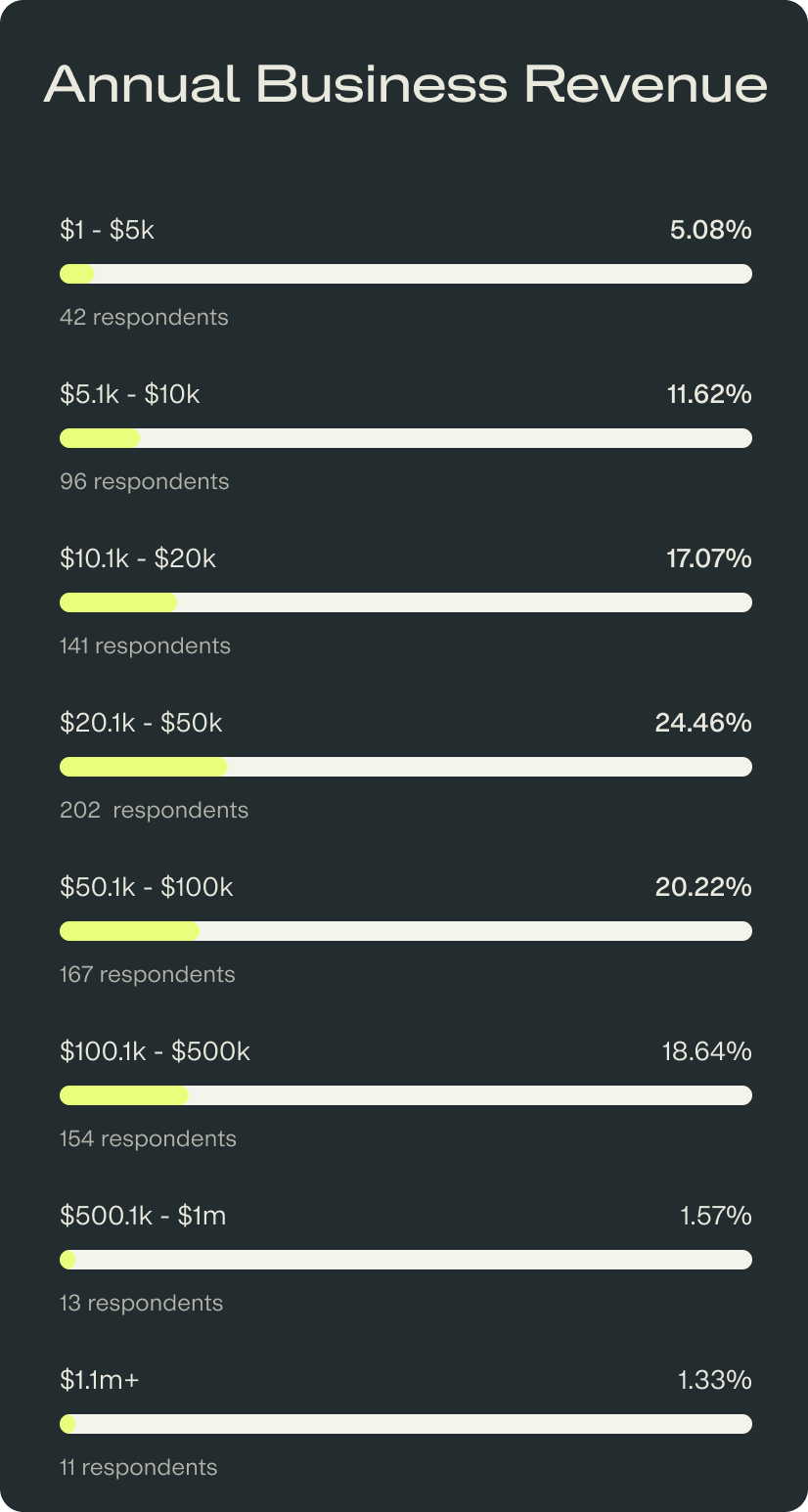
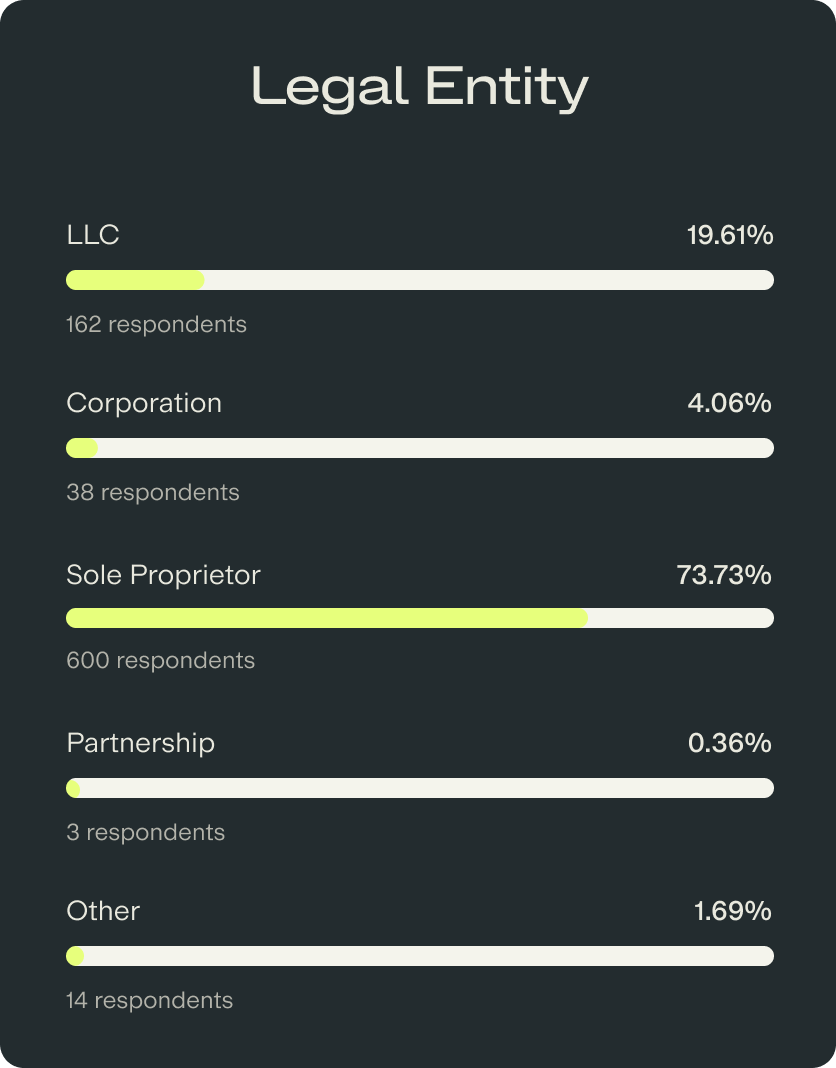
This study was concluded on July 3rd 2025, surveying 826 small businesses in the United States to understand the impact of tariffs on their business. The research methodology included online surveys.
Research period: 23rd June- 3rd July 2025
Methodology: Survey
Get the Full Report
Access the complete research report with analysis, additional charts, and actionable recommendations.